

Hey Daisy Wee!
PART ONE: Are You My Mother?

This one’s been simmering on the back burner for a long while, and since we’re already riding the musical wave, it feels like the perfect moment to finally put it out and dive in:
They say we are what we eat. Me? I am what I hear. In my mind, music doesn’t just play in the background. It built me.
Scientists have a term for it. IRM—innate releasing mechanism—a fancy way of saying that a simple external stimuli can consistently unlock something specific and deep. That’s what symbols are. Think the first thing a newborn duckling sees, gets imprinted as “mother”.
Similarly, somewhere a kid hears the opening chords of “I Want to Hold Your Hand” and can suddenly know what love feels like—even before they’ve kissed anyone.
Some pieces of music don’t just play, they imprint something personal and specific. Doesn’t matter what; the sound of a muted trumpet solo, a song or even a simple groove—they attach themselves to our memories—along with a place, a smell, a person, a moment—and hitch a ride into our subconscious, forever bound. You know exactly what I mean. It’s not simply experience. Sound plus experience— equals a memory. A “duad” becomes singular. And we make our choices based on memories (thank you Dr. Kanneman). So sometimes music isn’t just simply entertainment. Some music carries activation codes. (Thank you Dr. Jung)
Music shapes our lives.
Mythologist Joseph Campbell says stories endure because they strike something ancient in us—an inner switch that gets flipped. Music works the same way.
A sound, a phrase, a voice—it doesn’t just entertain. It awakens…. and we remember. From the latin rememorai Literally to bring back to mind.
Combine stories and music; you get song. BAM! That’s the knockout punch.
I’ll admit, this is teetering on the edge of a fucking TED Talk… so now that the armchair neurology is out of the way…
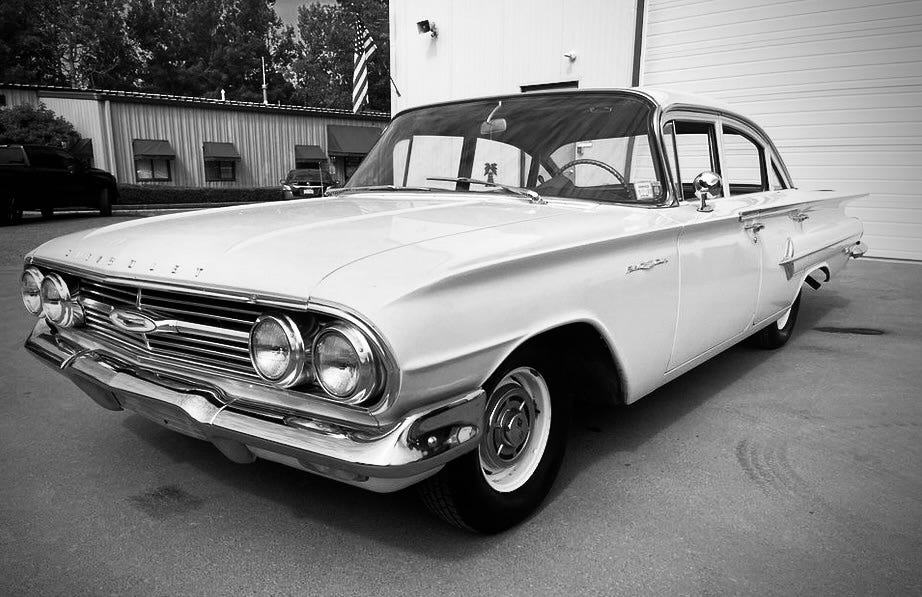
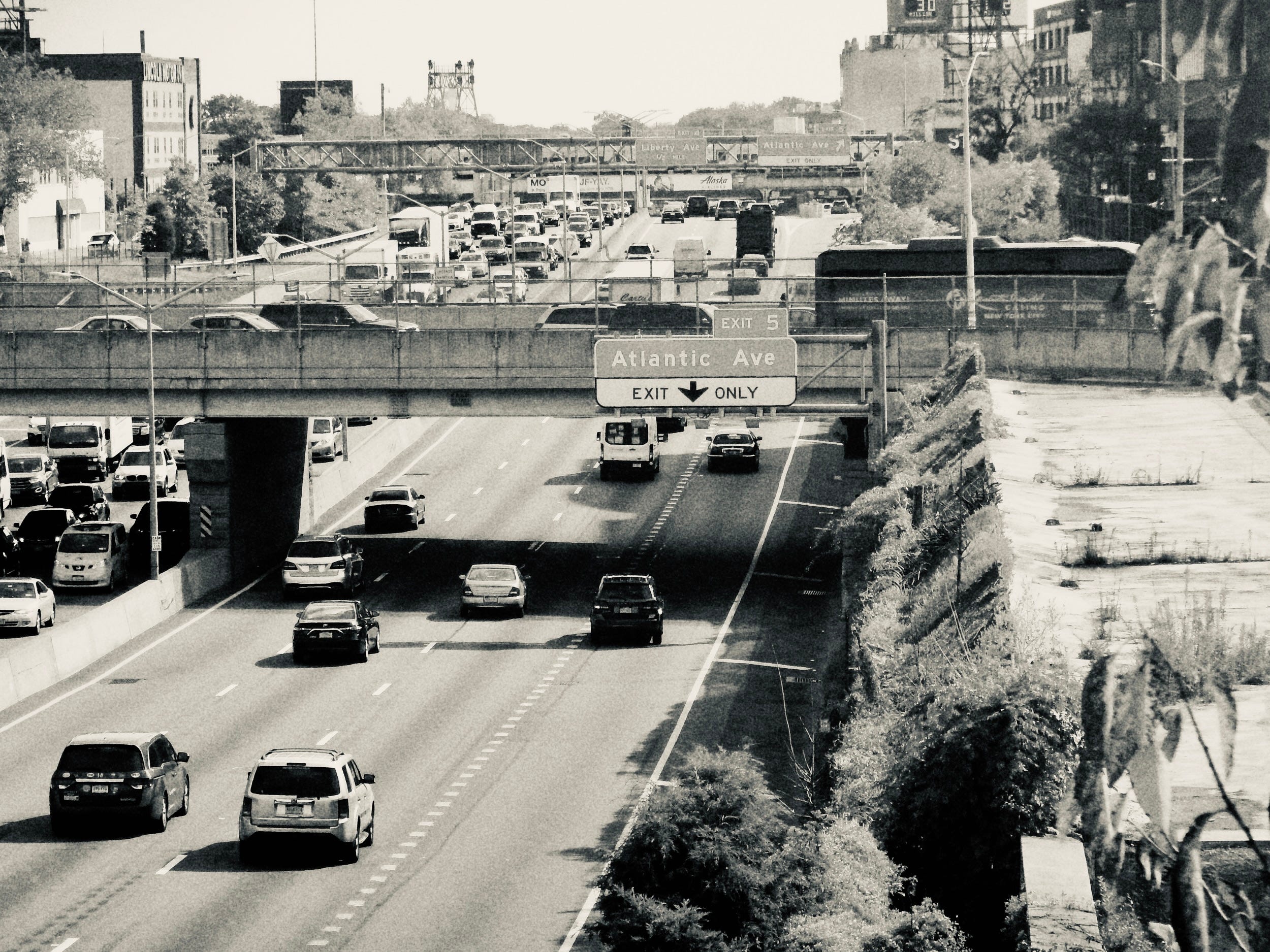
The first music I can remember is associated with a place (New York) and a feeling (love, safety… bliss?). Sitting in the back seat of a tan 1960 Impala, Percy Faith’s Theme from “A Summer Place” playing on the car radio. In mono of course. No lyrics. Mostly piano and violins. I was a toddler. A baby duckling without the fur. My family was moving from Bayside Queens to the suburbs of the Five Towns, next to what was then Idlewild (Kennedy) Airport. We were on the Van Wyck Expressway.* My little self probably felt all that—that we were changing homes (and the fact that my parents had just turned twenty). That music attached to all that energy—and traveled into my little subconscious there and then—and has remained ever after. That’s amazing to me! Musical memories.
* I’d later come to know, that my friend and employer Al Kooper, who I think was Kuperstien or Kooperfarb or something like that, grew up in an apartment right near that spot.
Awakening
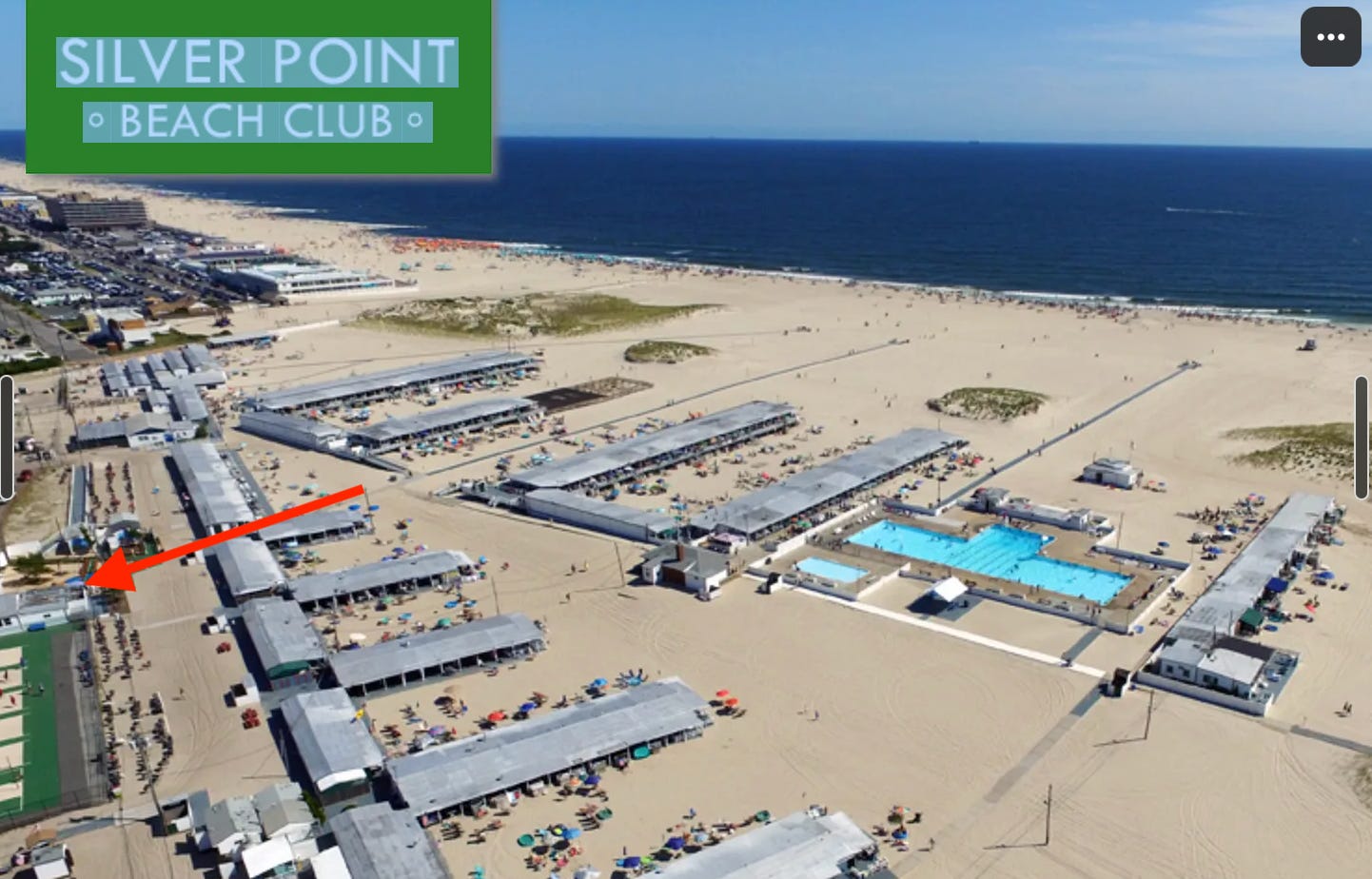
The first music I was ever truly awake for—were songs; they didn’t just pass through the background fuzz of childhood, rather they rooted themselves like moss on a stone—from the summer of 1962. I had just turned four. Again, the music wasn’t just soothing noise. It was location. It was physical. I mean that literally: I remember the yellow jukebox in the pavilion by the handball courts at Silver Point Beach Club, Atlantic Beach, Long Island. I remember the bridge we crossed every day to get there, the strange, adult importance of making sure of the little half pre-rip of the perforated toll tickets to get across the Atlantic Beach Bridge—so the ticket taker could rip off the ticket easily—as we rolled by barely stopping, while the driver held the ticket book. Rrrrriiipppp!
I remember Big Girls Don’t Cry. Cheri Baby. And of course, The Twist—which would have the choreography burned into my four-year-old brain by a demonstration from my Eastern European Nana to the older girls in the family. Cooking Chicken soup with Lokshen (yiddish for egg noodles) in her Brooklyn accent she’d say “you hold your hands out like you’re pinching a wet dishrag” up on her toes, wiggling side to side. That was The Twist. America had gone feral with it.
The odd thing is, I knew songs from before that summer. I can recognize them now, decades later. But they didn’t imprint the same as that Percy Faith Piece did. Some music floats free, disconnected. The memories don’t attach to them like barnacles. Maybe my “self” hadn’t landed in my body yet. Some music is just more highly charged than other? Something like that.
By 1963, something shifted. I was five, and now the songs were binding to specific places and objects regularly. 409 by the Beach Boys should’ve been a 1962 memory, but I don’t think I got it until 1963 —in the Franklin Elementary schoolyard, during lunchtime. Recess dance parties with a battered little portable record player. That Hot Rod engine rev at the beginning—that sound meant something. Even the Capitol Records 45 label—orange and yellow—felt like a mood. A warning. A tiny sun.
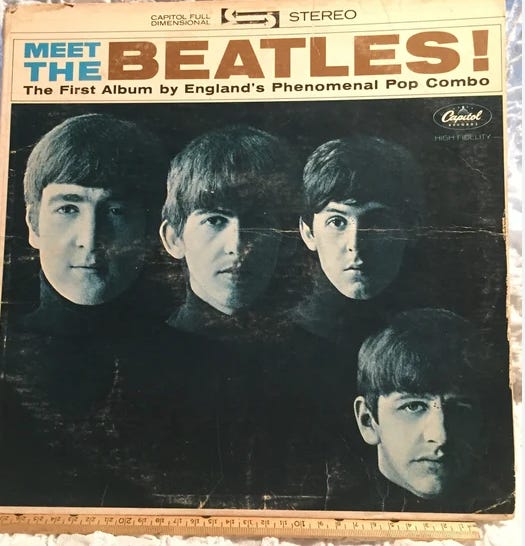
And then the entire axis of the earth tilted: my parents bought me a Victrola. That thing became a spaceship. I took it to the basement of our house in Hewlett, just a few miles from where they would soon land at Kennedy Airport, and disappeared into Meet the Beatles.
Over and over and over.
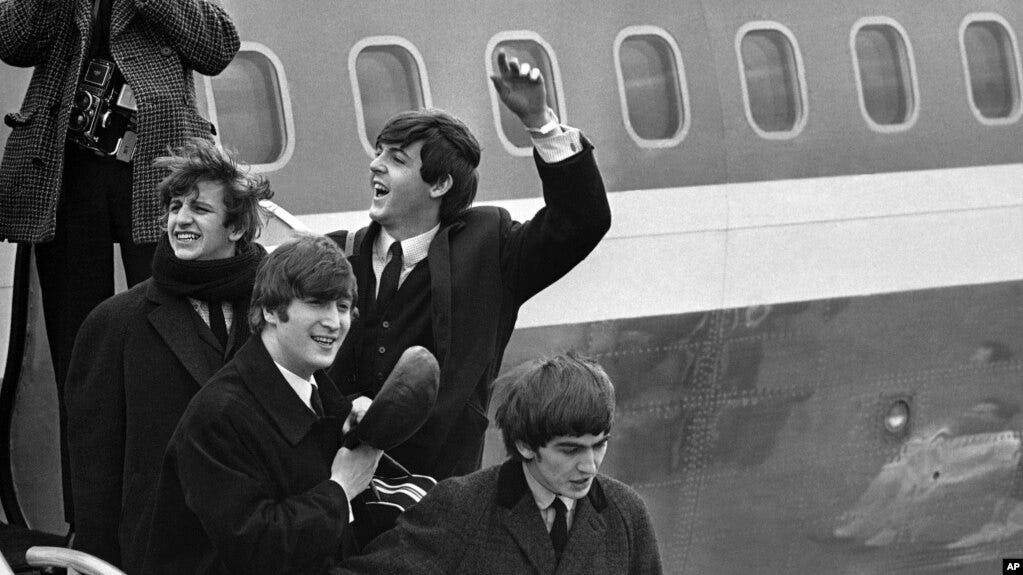
That record is soldered to the smell of sawdust and motor oil—my dad’s workbench nearby. I Want to Hold Your Hand. She Loves You. It was ritualistic. Something ancient. Repetitive. Maybe even religious. The entire world was in the same groove simultaneously. If you didn’t live then, you will probably never know how very big that feeling was.
And strangely, the #3 song that year—Hello, Dolly!—that memory lived in a different room of the house altogether. These memories are specific. All the Broadway tunes are attached to the family room. Carroll Channing, a family outing. I didn’t yet grasp the gravity of Louis Armstrong, but the album hit home with us. Later in life, I’d understand better… why.
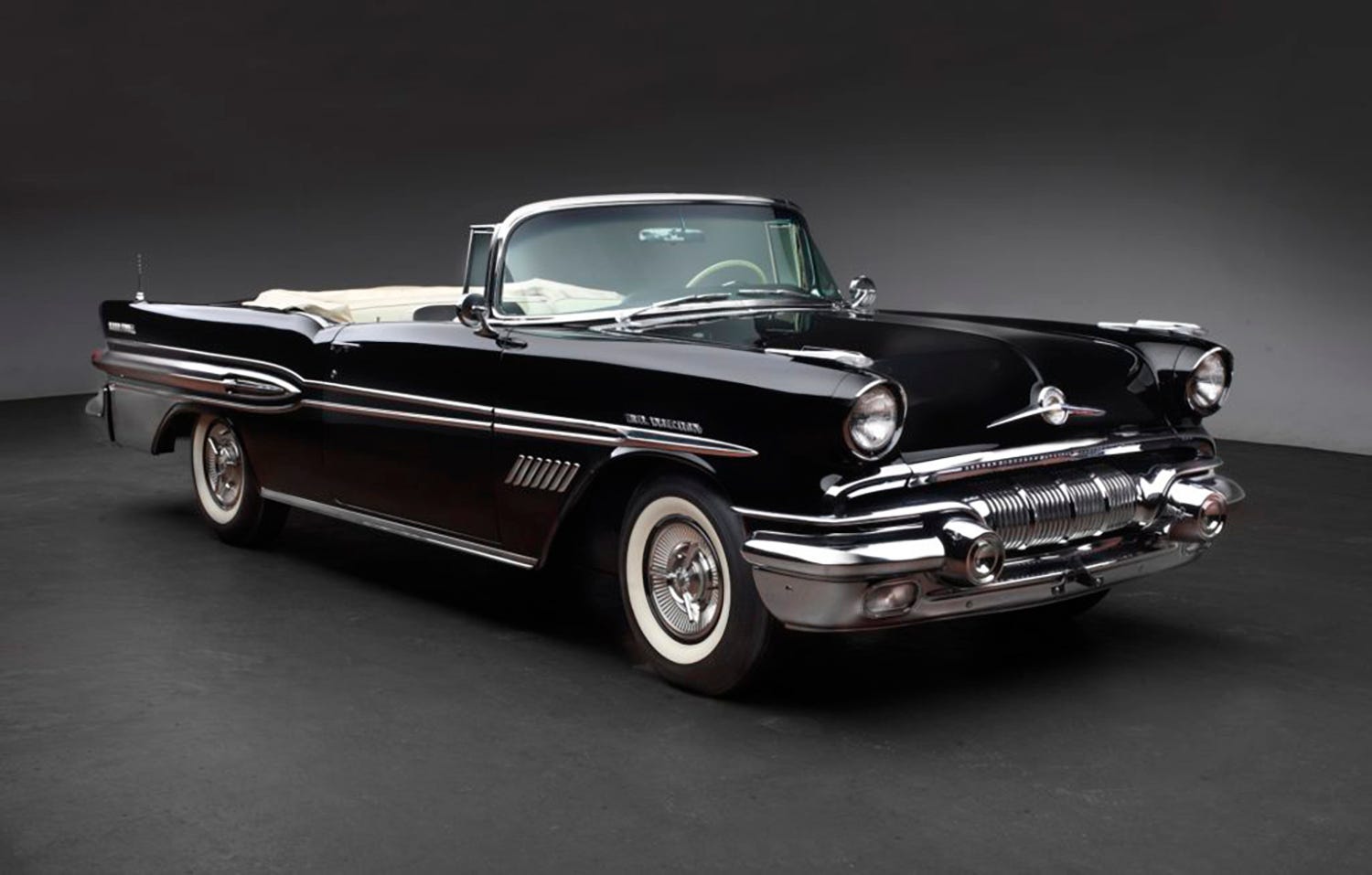
Still in ’63: Be My Baby belonged in the car. Their connection inseparable. My father’s 1957 Chevy Bel Air convertible—black, wide, a little beat-up. Chunky is the word that comes to mind. Not sleek. Just… solid. I don’t know if the car was glamorous. But it had presence and attached to that song, the back seat was a magical place.
Again, some songs didn’t stick. Walk Like a Man—nothing. A ghost. But I Get Around hit me. Hard. That one lit up two memories at once, like a flickering reel. One was a specific spot on a cement driveway. The other was a girl named Linda—round-faced, friendly, perhaps my “Peggy Sue”; her surname lost to time. That song moved me more than any of its chart-mates. It pushed. A fortunate rythym and a sweet ache; something transcendant and powerful broke through.
Then came 1964. Motown arrived like a thunderclap via Ed Sullivan. “Where Did Our Love Go” by The Supremes attached itself to my bedroom on Daub Avenue in Hewlett. That was the year mirrors and tennis racket stratocasters came into play.
Many years later, I’d spend months on end in the studio with Smokey Robinson—playing drums, engineering, producing— and telling stories deep into the night. Smokey would talk about how he wrote this song or that one, casually, like recounting dreams. Each song came with a memory—this time his memory.
“The Way You Do the Things You Do,” for example, was a hit song by the Temptations for you and me, with attendant memories attached perhaps—but for him it was a different memory; a moment—behind the wheel of a big early-sixties behemoth, driving the band to the next gig in the dark, singing, “You got a smile so bright, you know you shoulda been a candle,” just making up associations as he rolled along. No ceremony. Just real time entering the cultural bloodstream.
Imagine that!
1965
The #1 hit in early ’65 was “Eight Days a Week.”
My first live concert came a few months later — August ’65 at Shea Stadium.
And here’s a small anecdote to hang it on:
As our family grew, we inherited a once-a-week housekeeper from my grandmother. His name was Leroy, a kind older Southern Black man (who’d clearly spent most of his life in the old south, if you catch my drift) with a raspy voice and hands that were as big as catcher’s mitts. I loved him. He gave me my first beat-up guitar and showed me how to pull a Leadbelly blues out of broken wood and 4 ratty strings.
He’d be singing around the house to the transister radio. And once as “Eight Days a Week” came on, he didn’t just sing it — he went for it.
Only… I didn’t hear “Eight Days a Week.”
I heard: “Hey Daisy Wee, I love you.”
So that’s what I sang.
And I still do.
END OF PART 1
Click Here For My Hey Daisy Wee Playlist
Any early music MEMORIES? Leave a comment below!
The Canteen at Silverpoint and Leslie Gore!! Driving every day in the car and then the damn tar in the parking lot! And I talk about Leroy ALL the time...
great stories mate! Really enjoy your writing.